Fresh organic produce
Fresh produce is available for a donation at the Homestead or the A-frame. Please contact us to find out what’s in season. We may have star apples, calamondins (mandarin-kumquat), organic eggs, cherry tomatoes, rocket, spinach, breadfruit, jackfruit, pak choy, chillies, capsicum, beans and other greens. Coconuts and aloe vera are also available, and make a healthy, nutritious drink. Recipes to come!
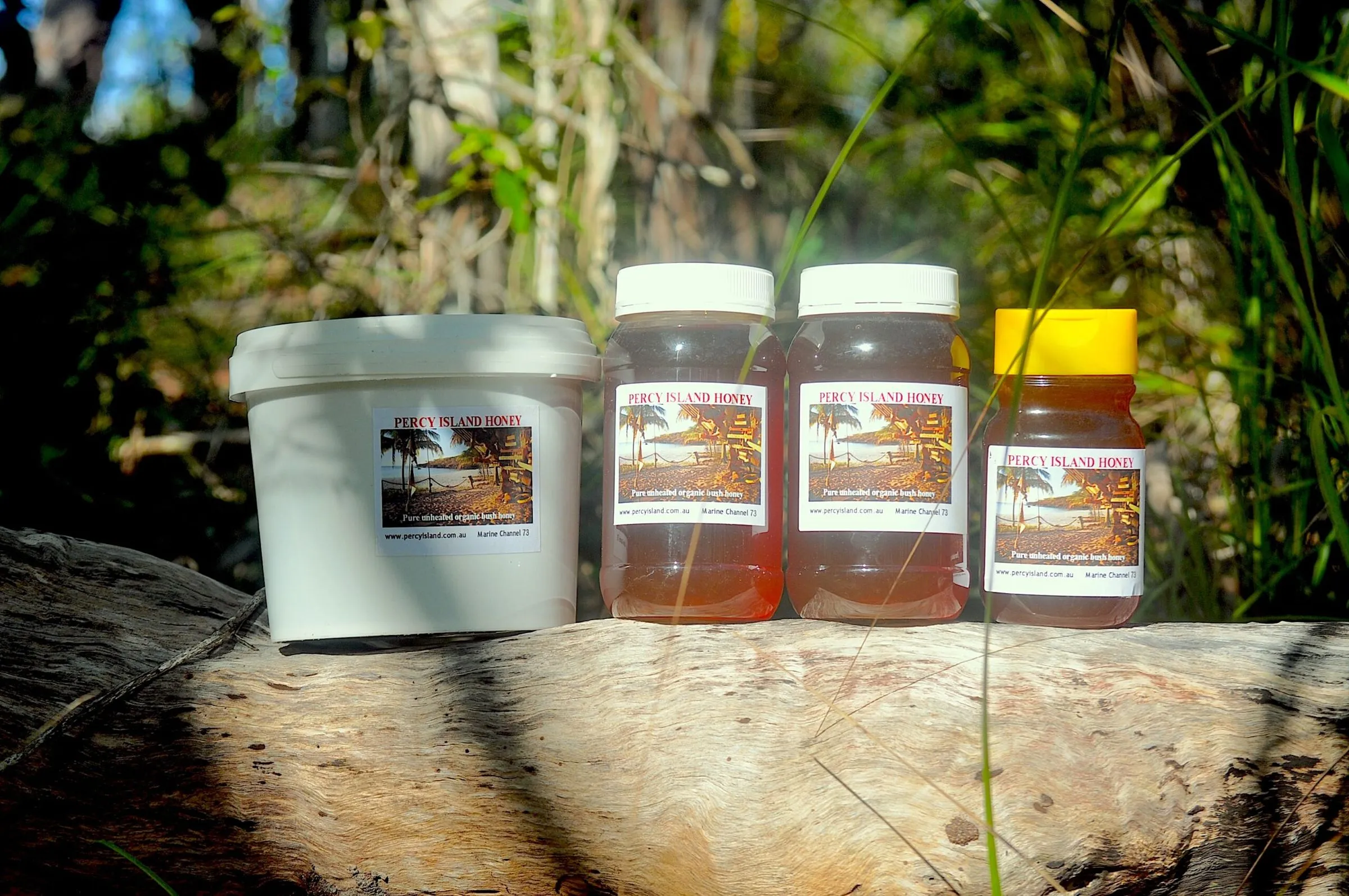
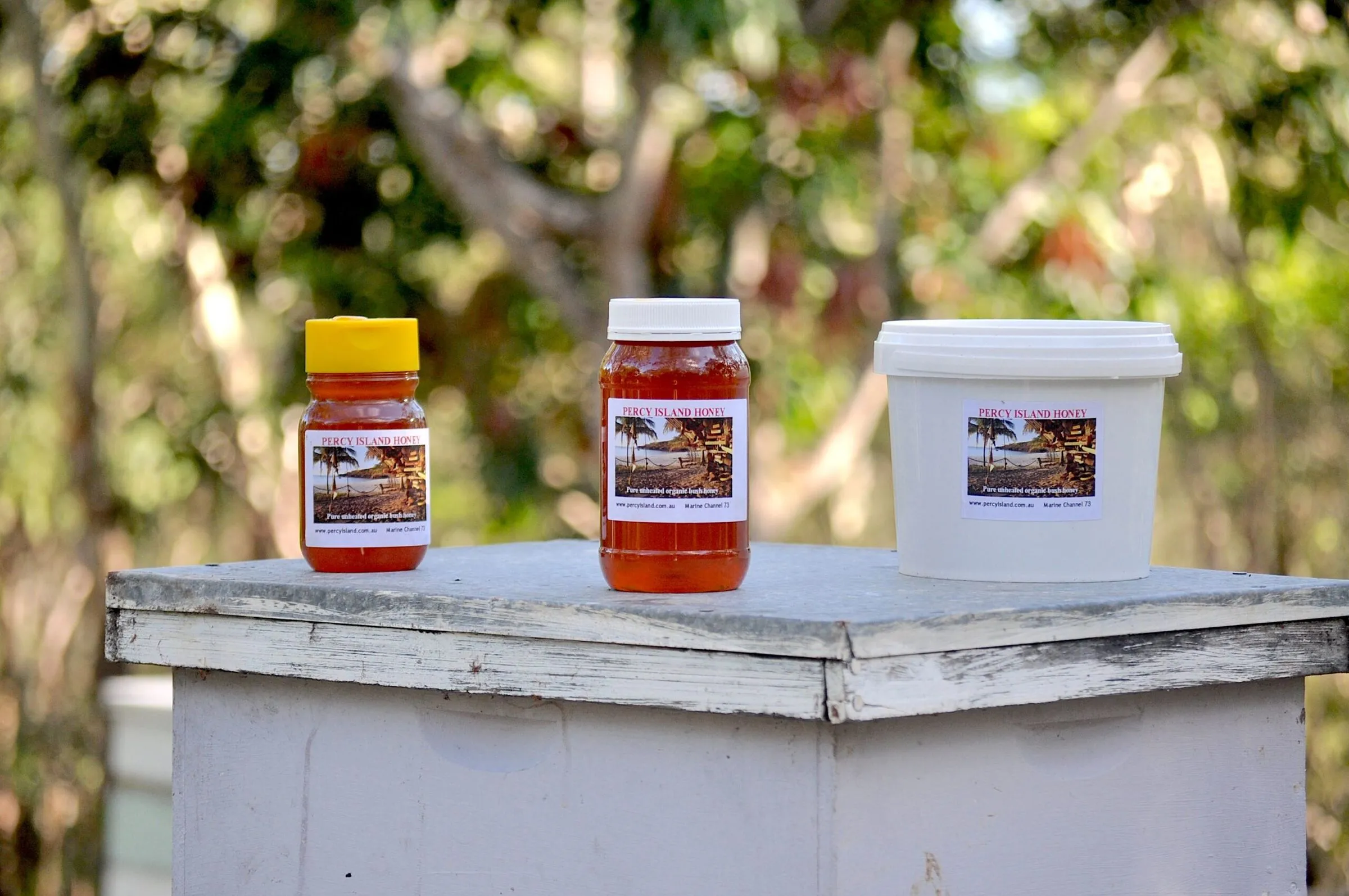
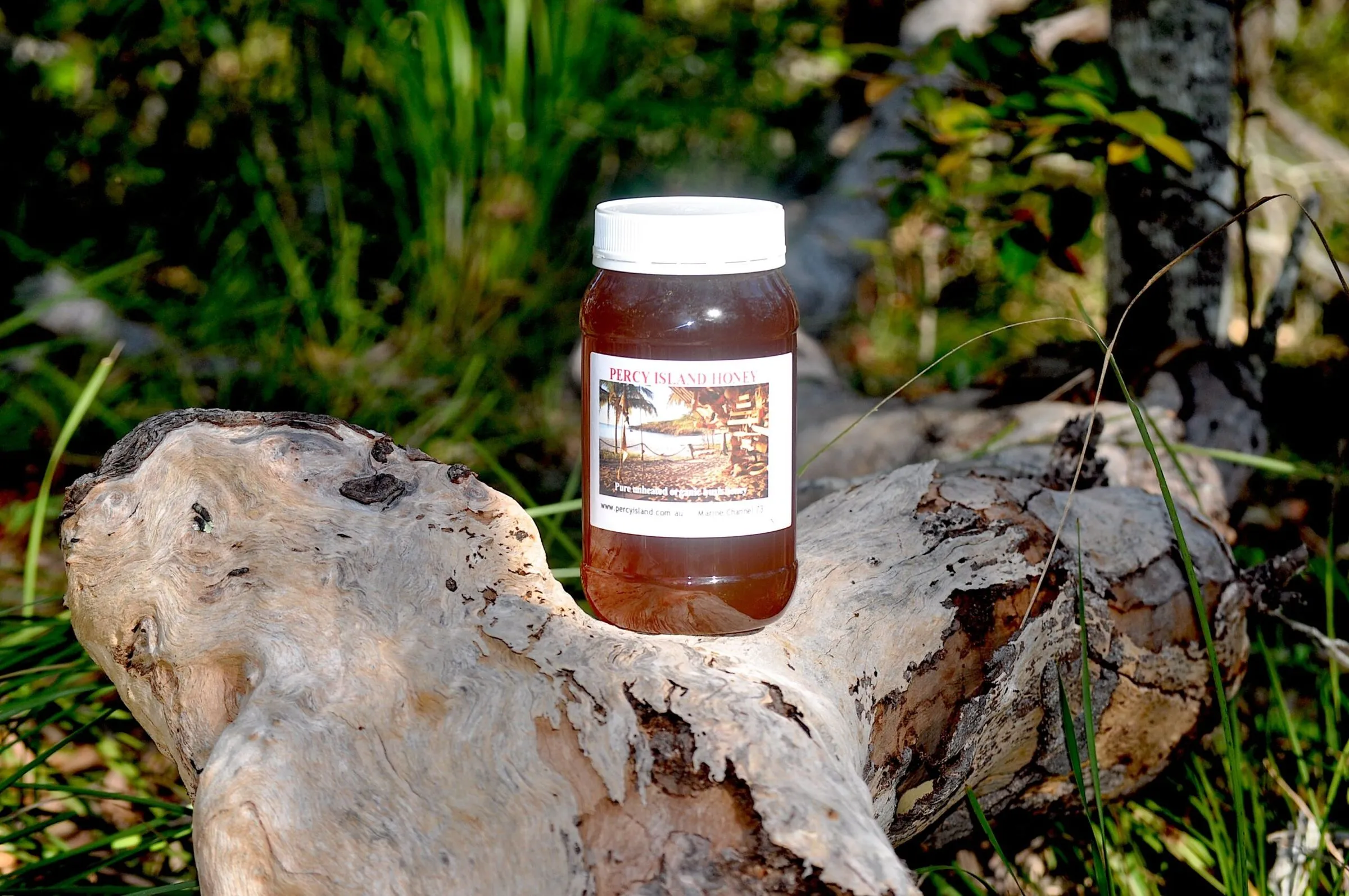
Our island produce includes the famous Percy Island bush honey, available at the Homestead honey shed and at West Bay in the A-frame shop (at the back on the left, near the BBQ).
- 100% pesticide free: grown organically without herbicides or pesticides, using good old-fashioned chicken and goat manure, seaweed fertiliser, palm frond mulch, rainwater, and plenty of TLC, hand-picking insects with the help of the chooks.
- Seasonal preserves: mango chutney, jams and marmalades (lime, orange, calamondin and mixed citrus).
- Fresh and dried herbs in season: rosemary, basil, chives, bananas (yes, they’re herbs!), lemongrass, parsley and more.
All donations help run Middle Percy Island for the benefit of visitors and future generations.
Percy Island honey
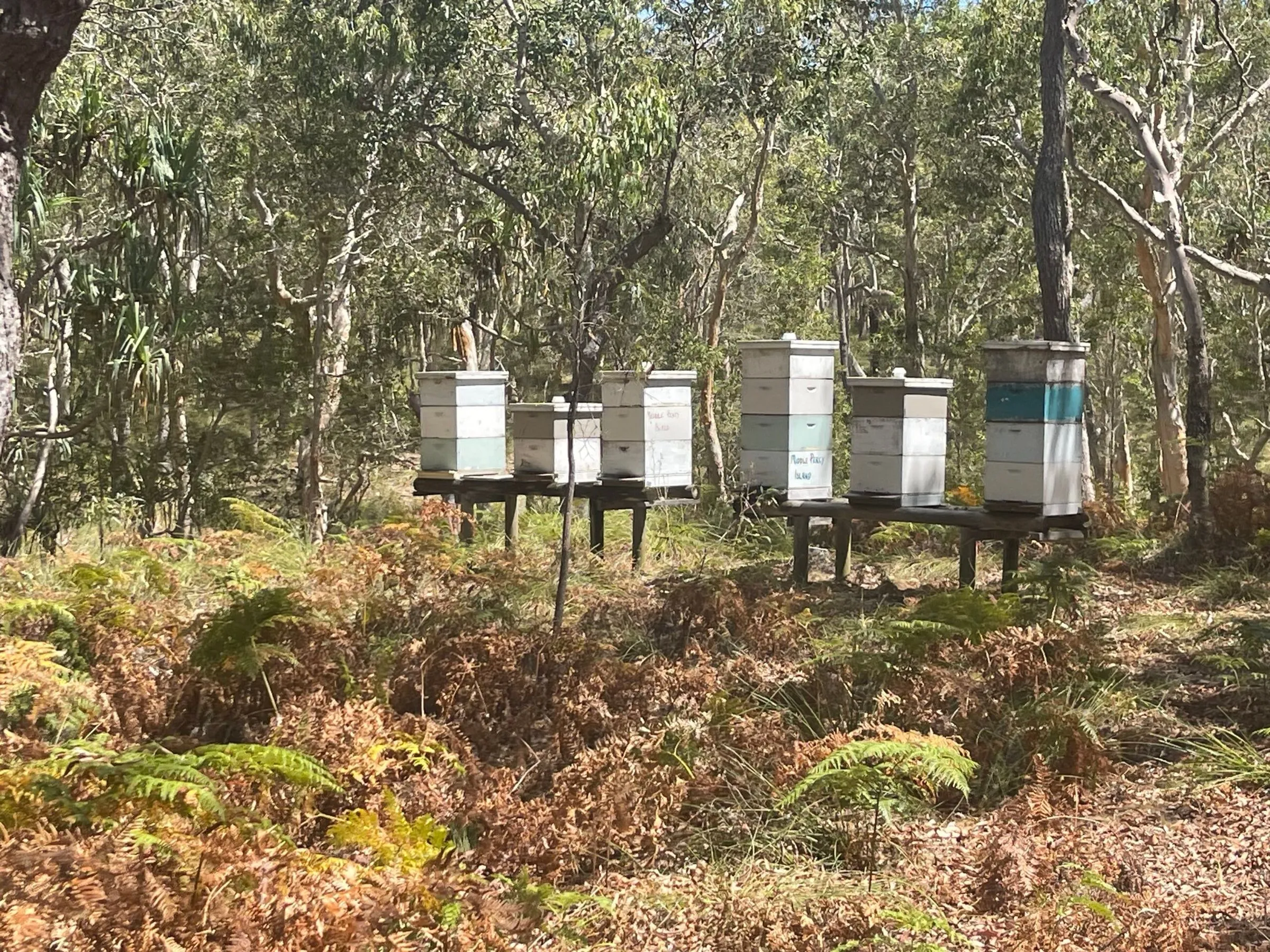
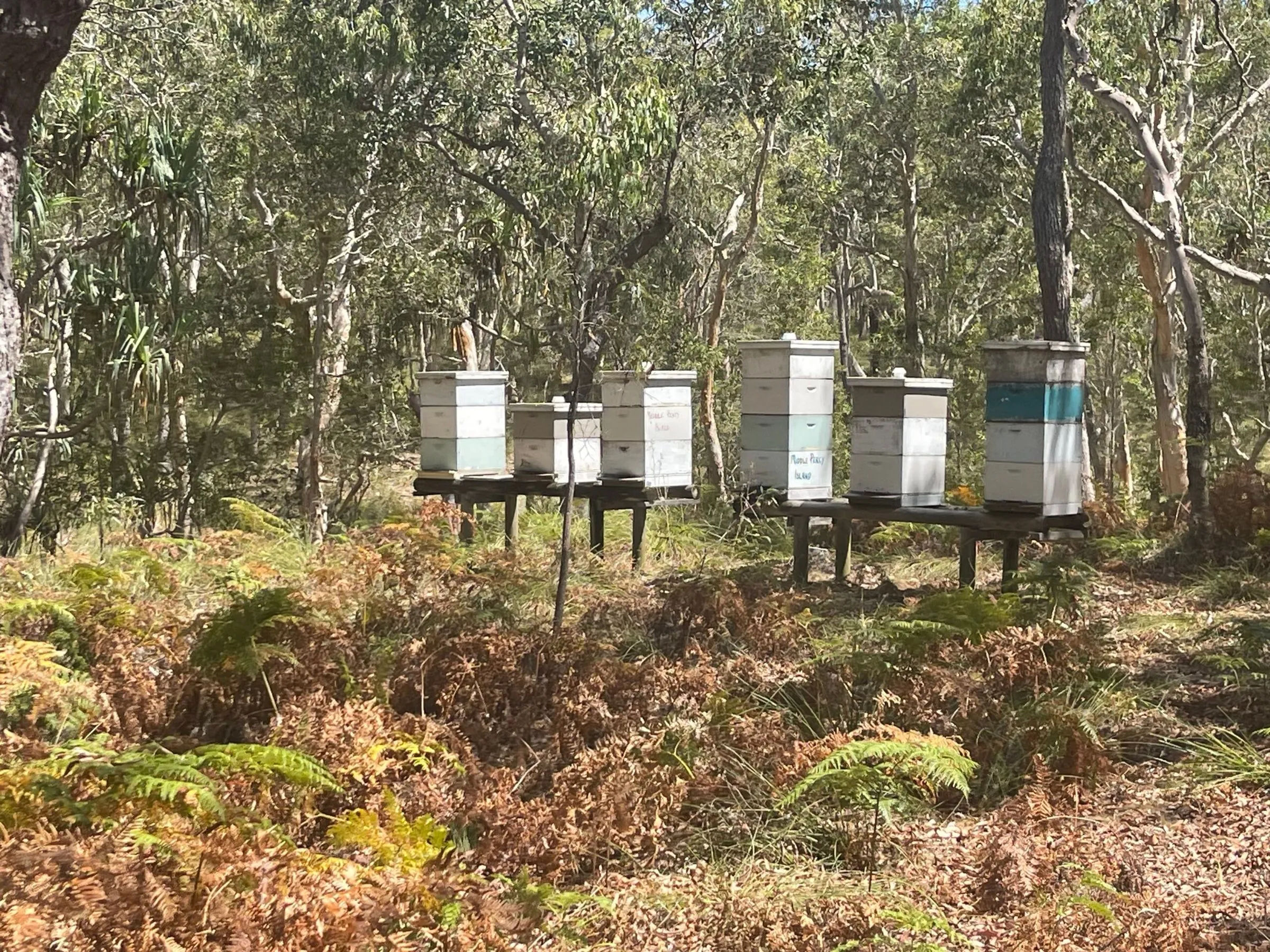
Percy Island is a pure, natural and isolated environment, perfect for producing organic honey. Set among the pristine hills of the island, our 28 beehives are home to about 2.8 million bees. The island has 120 species of flowering plants, 21 of them considered rare. Percy honey isn’t just delicious, it’s sustainable!
Honey sales maintain the bee sanctuary and help restore the infrastructure needed to keep the hives going, and to extract and carry the honey from the hives to the honey shed and on to the A-frame shop, a 4.5 km journey to the west side of the island.
100% Percy! Pure. Raw. Unfiltered. Unheated. Undiluted. Organic.
| Size | Price |
|---|---|
| 350 g | $10 |
| 500 g | $15 |
| 1.4 kg bottle | $25 |
| 2.8 kg | $35 |
Bulk honey is available in pails of about 7 kg or 14 kg.
For mainland stockists, contact us.
Why Percy Island honey is supreme
Raw honey has the most propolis, pollen and nutritional compounds, which makes it the most beneficial choice for your health. Unfiltered (raw) honey is generally considered more nutritious than filtered honey because it keeps more of its natural properties:
- Antioxidants: unfiltered honey contains flavonoids, phytochemicals and vitamin C, which have antioxidant properties. Heating or pasteurising honey can reduce or destroy them.
- Digestive health: natural enzymes can help break down food and improve digestion.
- Nutrients: unfiltered honey contains around 22 amino acids and 31 minerals.
- Anti-inflammatory and antibacterial properties: it can help soothe red, inflamed skin, sore throats and coughs.
- Immune system: the bee pollen in unfiltered honey can help boost the immune system and relieve seasonal allergies.
- Propolis: a waxy substance with antibacterial and antifungal properties.
- Pollens: small amounts of the same pollens that cause allergic reactions, which some people believe helps build tolerance.
Filtered vs strained honey
Filtering removes beneficial pollens, propolis and waxes, making filtered honey less nutritious, and heating destroys its natural enzymes and probiotics. Percy Island honey is only strained through fine gauze to remove visible particles such as wax and bees.
The main difference is how the honey is processed and how much is removed:
- Filtered honey is processed to remove impurities such as bee parts and wax. It’s often heated to make it runnier and easier to filter, which can kill many of its enzymes, vitamins, minerals and amino acids. Filtered honey is usually thinner, with a more uniform, “homogenised” flavour.
- Strained honey has only the larger particles, such as bee parts and wax, removed. It involves no heat and removes less, so it’s considered less processed. Strained honey may look hazy or cloudy and can crystallise more quickly.
Honey labelled “raw” or “unfiltered” has usually been strained, but there’s little regulation of honey labelling, so it can be hard to know exactly what you’re buying. For the least processed honey, look for small, artisan producers who are open about how they make it.
Percy Island honey is not heated, treated or altered in any way. The bees do all the work for us: we simply strain it, bottle it and eat it!